Aotearoa BiodiverCity provides design principles, strategies, and tools to increase biodiversity in the built environment, linking cultural and ecological knowledge and wellbeing.
Cultural and ecological knowledge and specific design strategies to support and increase biodiversity in the built environment.

A suite of tools designed for recognising biodiversity in urban developments and supporting design and implementation.
CASE STUDIES
-
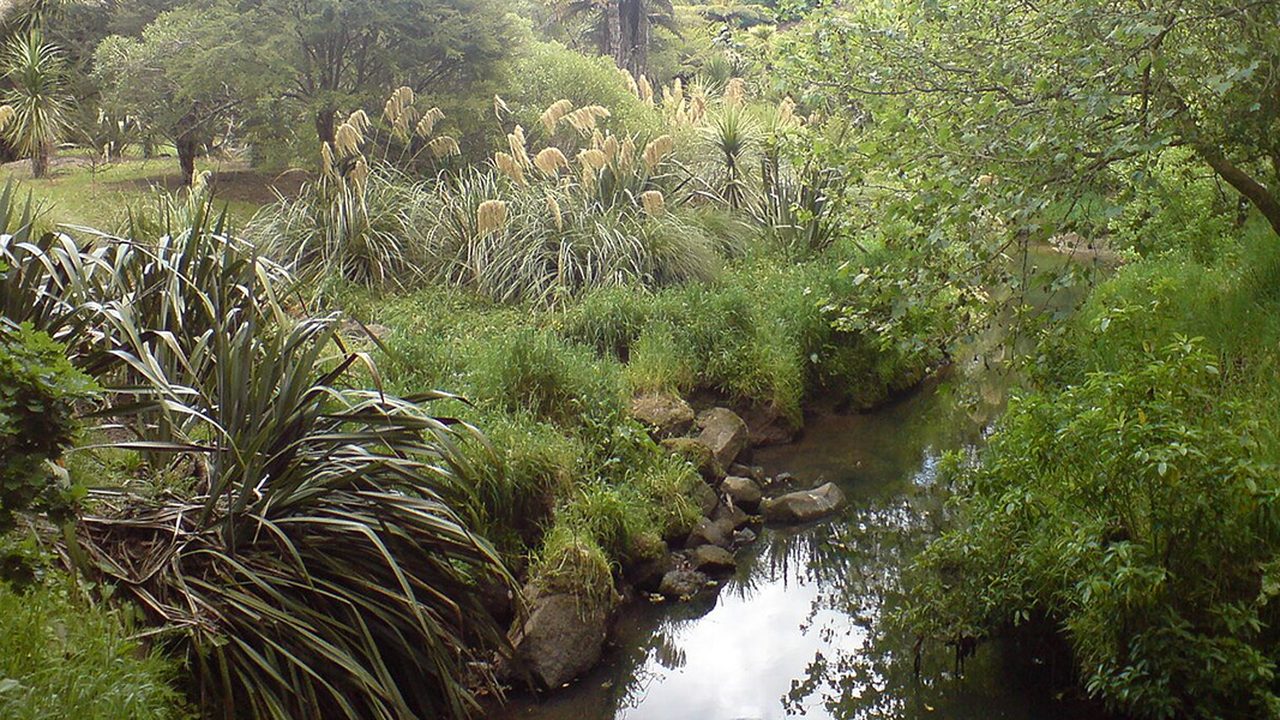
Christchurch urban streams
Urban development, channelisation, stormwater inputs, and post-earthquake land-use changes have modified stream hydromorphology, water quality, and ecological condition across the network. Recovery is constrained by ongoing urban pressures, limited riparian buffers, and the absence of coordinated catchment-scale management. A coordinated programme of monitoring, management, and restoration has been implemented across Christchurch’s urban stream network, including…
-
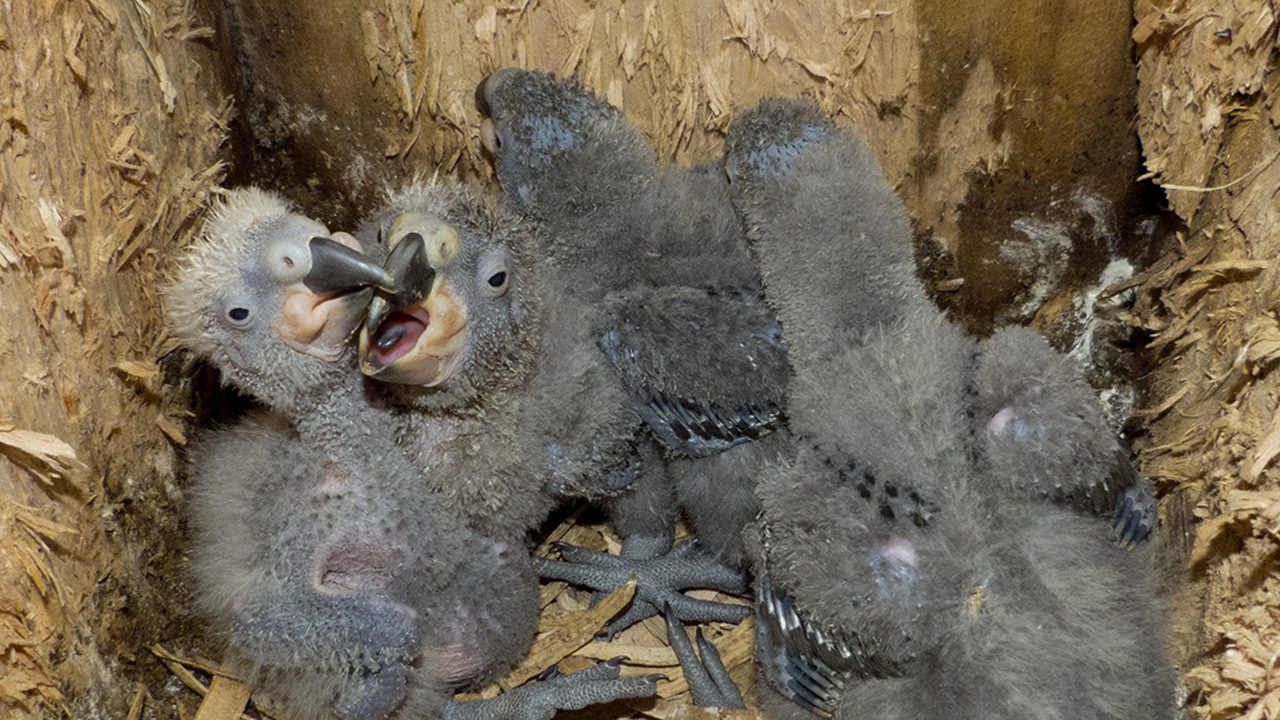
Kākā nest box programme
While predator eradication at Zealandia provided a source population, urban expansion of kākā raised questions about cavity availability to support continued breeding outside the sanctuary. Mature trees with suitable natural cavities are scarce in many suburban Wellington environments. Nest boxes designed to meet the cavity dimensions required by kākā were installed on trees across Wellington…
-
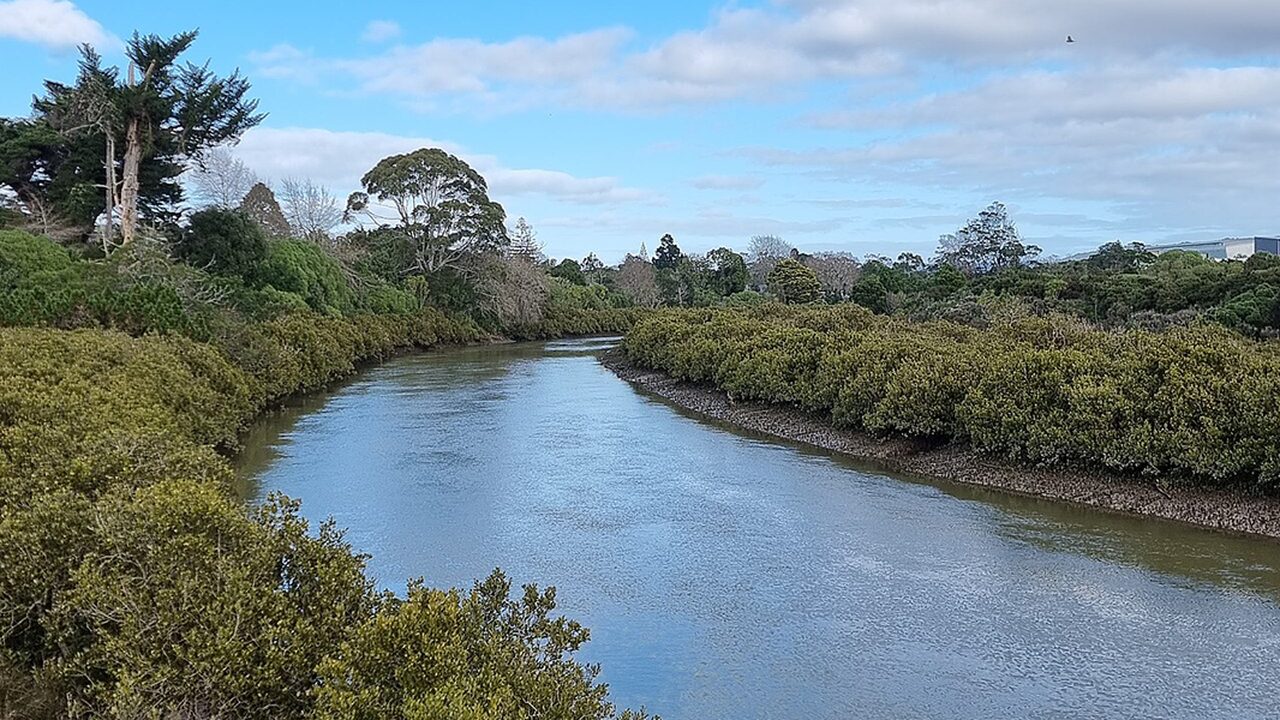
Project Twin Streams
The Twin Streams catchment was characterised by degraded riparian margins, invasive vegetation, and poor water quality associated with urban land use. Fragmented stream corridors limited ecological function and community connection to local waterways. A sustained, community-centred restoration programme was implemented along both stream corridors, removing invasive riparian vegetation, establishing over 500,000 native plants, and engaging…